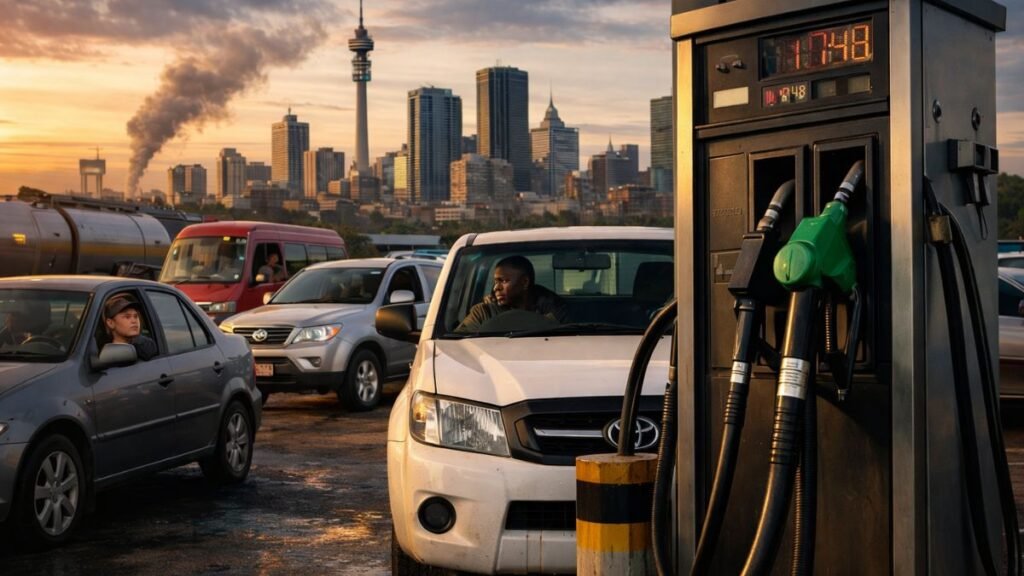
As the conflict in the Middle East continues to impact oil supply, South Africans are facing a significant increase in diesel prices. Diesel prices are expected to rise by R9.86 to R10 per litre, making it the biggest increase among all fuel types.
While petrol prices are also set to increase by around R5.24 to R5.76 per litre, diesel’s rise has caused concern, especially with some fuel stations already adjusting their prices ahead of the official hike.
How Diesel Prices Are Set in South Africa

Diesel prices in South Africa are influenced by both local and international factors. The starting point for all fuel pricing is the Basic Fuel Price (BFP), which reflects the cost of buying crude oil, refining it, and transporting it to local depots. The BFP is updated monthly and is determined by the following factors:
- Global Crude Oil Prices: The price of crude oil, particularly the Brent crude benchmark, affects the cost of diesel.
- Exchange Rate: The value of the South African rand against the US dollar plays a role in determining fuel costs.
- Shipping Costs: Transporting the fuel from source countries adds to the price.
- Freight and Other Costs: These make up a portion of the BFP and include transportation costs, insurance, and cargo-related expenses.
In addition to the BFP, taxes and levies also contribute significantly to the final price at the pump. These include:
- General Fuel Levy (GFL)
- Road Accident Fund (RAF) Levy
- Carbon Fuel Levy
- Customs & Excise Duties
From April 2026, these taxes are set to increase, adding an additional R6.35 to the price of every litre of petrol or diesel. This increase will impact both petrol and diesel prices as the government raises levies to adjust for inflation and other fiscal needs.
Why Diesel Stations Can Raise Prices Early
Unlike petrol, diesel prices in South Africa are not strictly regulated. While the government publishes a reference price each month, it serves merely as a guideline for fuel wholesalers and service stations. This means that fuel stations are free to set their own retail prices based on market conditions, and many can adjust prices ahead of the official monthly increase.
The government sets a regulated pump price for petrol, which all stations must follow. However, diesel retail pricing is only guided by the monthly reference price, allowing fuel stations to raise prices at any time. Some stations have already increased their diesel prices in anticipation of the larger price hike set for April 1.
For example, TotalEnergies reportedly instructed its stations to gradually increase diesel prices by around R8 per litre ahead of the official increase. This move helps manage demand and avoid stock-outs due to panic buying, as fuel companies have started purchasing diesel at higher prices following surges in the global oil market.
Concerns About ‘Double-Dipping’

There have been concerns about fuel stations increasing diesel prices before the official increase, as they may be taking advantage of price surges. This has raised questions about the fairness of such pre-emptive hikes. Robert Maake, Senior Manager at the Department of Mineral and Petroleum Resources, pointed out that this situation could distort how the Slate Levy is calculated.
The Slate Levy is a mechanism that compensates fuel importers for fluctuations in fuel prices, and if retailers increase prices prematurely, they could be effectively “double-dipping” by recovering costs both before and after the official hike.
The government is closely monitoring this issue to ensure that fuel pricing remains transparent and fair to consumers.
What Motorists Should Do
With fuel stations adjusting prices ahead of the official increase, South African motorists are encouraged to shop around and fill up before the new prices take effect on April 1. Early price hikes could lead to significant variations in pricing at different stations, so it’s wise to compare prices and fill up before the official increase is implemented.