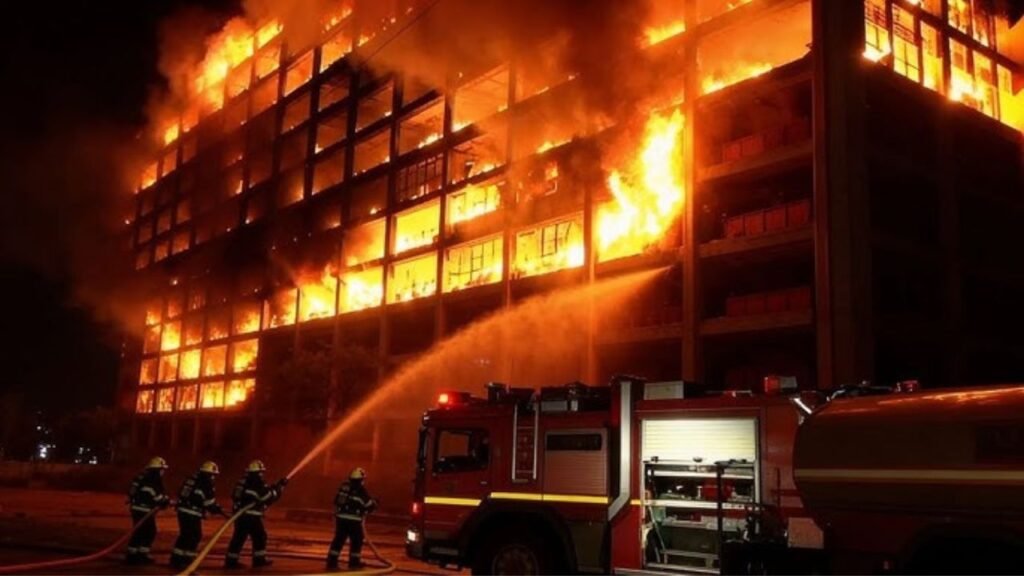
The shocking incident involving the Mthatha historic government building has raised serious concerns about infrastructure safety, public negligence, and heritage preservation. The building, which once stood as a symbol of administrative importance and local history, was first declared unsafe by authorities. Shortly after, a devastating fire completely destroyed the structure. This tragic sequence of events has sparked debate among citizens, officials, and experts about whether this disaster could have been prevented.
What Happened to the Mthatha Historic Government Building?
Timeline of Events
The Mthatha historic government building had reportedly been in poor condition for several years. Cracks in the walls, weakening foundations, and aging materials made the structure increasingly dangerous. Officials eventually declared the building unsafe, warning that it could collapse or cause harm.

Despite this warning, the situation escalated when a fire broke out, rapidly spreading through the already weakened structure. Due to its fragile state, firefighters faced difficulties controlling the blaze. Within a short time, the building was completely destroyed.
Why Was the Building Declared Unsafe?
Structural Issues and Neglect
The Mthatha historic government building had multiple safety concerns, including:
- Old construction materials that had worn down over time
- Lack of proper maintenance and repairs
- Visible structural damage like cracks and leaks
- Weak electrical systems that may have increased fire risk
Experts had warned that without urgent restoration, the building posed a serious threat to public safety.
The Fire Incident: What We Know
Possible Causes of the Fire

While investigations are ongoing, several possible reasons have been discussed:
- Faulty electrical wiring
- Illegal occupation or human activity inside the building
- Lack of security and monitoring
- Accidental or deliberate ignition
Because the building was already declared unsafe, it lacked proper supervision, making it vulnerable to such incidents.
Impact on Heritage and Community
Loss of Historical Value
The Mthatha historic government building was not just an office space. It represented years of history and governance in the region. Its destruction has led to:
- Loss of cultural heritage
- Emotional impact on local residents
- Reduced tourism potential
- Questions about preservation of other historic sites
Government Response and Investigation
Actions Taken After the Fire

After the incident, officials began an investigation to determine:
- The exact cause of the fire
- Whether negligence played a role
- Responsibility of maintenance authorities
Authorities have also promised to review the condition of other government buildings to prevent similar incidents.
Could This Disaster Have Been Prevented?
Missed Opportunities
Many experts believe that the destruction of the Mthatha historic government building could have been avoided if:
- Repairs were done on time
- Security was improved after declaring it unsafe
- Access to the building was restricted
- Fire safety systems were installed
Lessons Learned from the Mthatha Incident
Importance of Maintenance
Regular inspections and repairs are essential for older buildings. Ignoring small problems can lead to major damage.
Need for Stronger Safety Measures
Once a building is declared unsafe, immediate steps should be taken to:
- Seal off the area
- Monitor the property
- Prevent unauthorized access
Protecting Historical Structures
Historic buildings require special attention because they hold cultural and emotional value. Governments must invest in preservation efforts.
Future of Mthatha’s Infrastructure
What Comes Next?
The destruction of the Mthatha historic government building has forced authorities to rethink their approach to infrastructure management. Some expected steps include:
- Conducting safety audits of similar buildings
- Allocating funds for restoration projects
- Creating stricter regulations for abandoned or unsafe properties