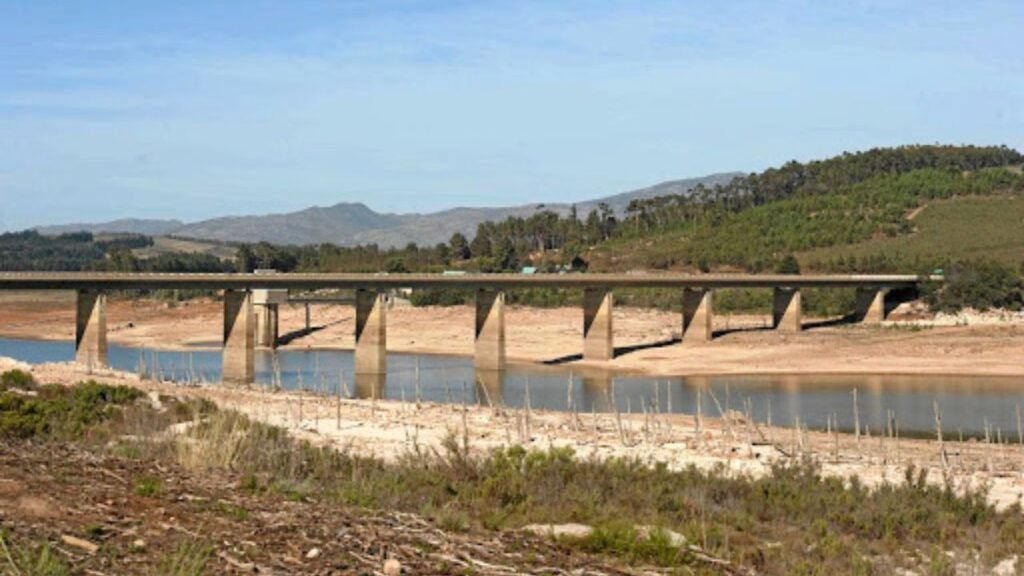
The Cape Town water crisis deepens as dam levels fall below 50%, raising serious concerns for residents, businesses, and authorities. Water scarcity is not a new issue for the city, but the current situation shows how fragile the system still is. With dam levels dropping quickly, people are once again being reminded of the severe drought that nearly brought Cape Town to “Day Zero” a few years ago. This renewed pressure highlights the urgent need for smarter water use, stronger infrastructure, and long-term planning.
Understanding the Current Water Situation in Cape Town
Why Dam Levels Matter
Cape Town relies heavily on its dam system to supply water to millions of people. When dam levels fall below 50%, it signals a warning stage where water reserves are shrinking faster than they are being replenished.
Current Water Level Trends

Recent reports indicate that combined dam levels in Cape Town have dropped below the halfway mark. This decline is mainly due to:
- Lower-than-expected rainfall
- Increased water consumption
- Rising temperatures causing higher evaporation
This situation shows that the Cape Town water crisis deepens as dam levels fall below 50%, making water conservation more important than ever.
Impact of Falling Dam Levels
Effects on Households
When dam levels drop, authorities often introduce stricter water restrictions. This can affect:
- Daily water usage limits
- Gardening and outdoor activities
- Household routines
Economic Consequences

Businesses, especially those in tourism and agriculture, depend heavily on water. Reduced supply can:
- Increase operational costs
- Reduce crop yields
- Impact tourism services
Environmental Impact
Lower water levels also affect ecosystems. Rivers, wetlands, and wildlife all depend on consistent water supply.
Cape Town Water Levels Overview
| Category | Details |
|---|---|
| Current Dam Levels | Below 50% |
| Main Cause | Low rainfall and high usage |
| Risk Level | Moderate to High |
| Most Affected Areas | Residential and agricultural |
| Government Response | Monitoring and possible limits |
| Long-Term Concern | Future drought risk |
Government Response and Water Management Plans
Monitoring and Restrictions
Authorities are closely monitoring dam levels and may introduce water restrictions if levels continue to fall. These measures are aimed at preventing a full-scale crisis.
Investment in Infrastructure

Cape Town has been working on:
- Desalination plants
- Water recycling systems
- Groundwater extraction
These projects are designed to reduce reliance on rainfall.
Public Awareness Campaigns
Educating citizens about saving water is a key part of the strategy. Campaigns encourage people to reduce waste and adopt water-efficient habits.
What Residents Can Do Now
Simple Water-Saving Tips
- Fix leaks immediately
- Use water-efficient appliances
- Limit shower time
- Reuse greywater for gardening
Community Efforts
Communities can work together by sharing knowledge and supporting water-saving initiatives.
Long-Term Solutions for Water Security
Diversifying Water Sources
Relying only on dams is risky. Cape Town is exploring alternative sources such as:
- Desalinated seawater
- Recycled wastewater
- Groundwater
Sustainable Urban Planning
Future development must consider water availability. Smart city planning can help reduce pressure on resources.
Technology and Innovation
Advanced technologies like smart meters and water monitoring systems can improve efficiency and reduce waste.
Why This Crisis Matters Globally
The Cape Town water crisis deepens as dam levels fall below 50% is not just a local issue. Many cities around the world are facing similar challenges due to climate change and population growth. Cape Town serves as a warning and a lesson for others.